Boostaro Official Website › Blog › Vitamin K2 in Boostaro
What Does Vitamin K2 Do in Boostaro, and Why Does Warfarin Matter?
Vitamin K2 is one of seven named Boostaro ingredients. The amount and the form are not published. Research on K2 used a set dose for three years, which this bottle cannot be compared with. K2 directly opposes warfarin, so anyone on that drug or a similar one must ask their prescriber first.
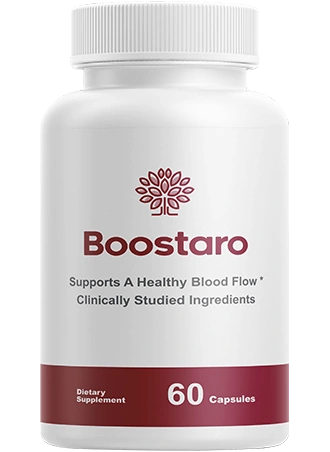
Want the facts before you decide?
The checkout shows the pack totals and the 60-day guarantee terms, so you can read them before you commit to anything.
See today’s price and guaranteeEarnings disclosure: this website earns when an order goes through its checkout. It is a USA Authorized Boostaro Retailer, not the manufacturer.
- Vitamin K2 is the menaquinone form of vitamin K, and it is listed as one of seven named actives.
- Its amount on the Boostaro label is not published. The form (MK-4 or MK-7) is not stated either.
- The trial usually quoted gave 180 micrograms a day for three years to healthy postmenopausal women.
- Vitamin K directly opposes warfarin and other vitamin K antagonists.
- Vitamin K2 is fat-soluble, so a meal with some fat in it is a sensible default unless the label says otherwise.
- Boostaro is a dietary supplement. It is not FDA approved, and the finished product has not been tested in a trial.
Where does vitamin K2 sit on the Boostaro panel?
Boostaro names seven active ingredients. Vitamin K2 is the sixth one in the written list, after magnesium and before nattokinase. The sales page this website works from gives a name for each of the seven. It gives no amount for any of them.
That matters for K2 more than for most. Vitamin K comes in more than one form, and the forms behave differently. The two you meet most often are called MK-4 and MK-7. They differ in how long they stay in the body. The Boostaro papers do not say which form is used.
So here is the short list of what we know and do not know. We know the name. We do not know the amount. We do not know the form. We do not know whether the capsule holds a tiny pinch or a large dose. The bottle in your hands carries a Supplement Facts panel, and that panel is the final word. If it prints a figure, the figure on the bottle wins over anything written here.
What does vitamin K2 do in the body?
Vitamin K is best known for its part in blood clotting. The menaquinone form, K2, is also studied for its work in blood vessel walls. There it helps to switch on a protein called matrix Gla protein. That protein is thought to keep calcium from settling in the walls of arteries.
This is a mechanism, which is a description of how something might work. A mechanism is not a result. Many things that look good in a lab description do nothing when a person takes a capsule. We say that so you do not read the word “mechanism” as a promise.
K2 is also fat-soluble. That means it is carried with fat in a meal rather than with plain water. The Boostaro papers do not give a rule about food, so the label is the guide. If the label is silent, a normal meal that has some fat in it is a reasonable habit.
The NIH Office of Dietary Supplements publishes a plain fact sheet on vitamin K for consumers. It is a good place to read about food sources and about medicines that interact with the vitamin. It costs nothing, and it does not sell a product.
What did the main vitamin K2 trial find?
The trial behind K2 on panels like this one is by Knapen and colleagues, published in 2015. It gave menaquinone-7 to healthy postmenopausal women for three years. The dose was 180 micrograms a day. The group reported a small improvement in arterial stiffness.
Now compare that with the bottle. The table below puts the two side by side.
| Point of comparison | The K2 trial | This Boostaro bottle |
|---|---|---|
| Dose per day | 180 micrograms | Not published |
| Form used | Menaquinone-7 | Not stated |
| Who took it | 244 healthy postmenopausal women | Adult men, 18 and over |
| How long | Three years | A 60-day money-back window |
| What was measured | Arterial stiffness | Not measured in the finished product |
None of the four things that make the trial useful is matched here. The dose is unknown. The form is unknown. The people were different. The time span is far longer than any refund window. That does not make K2 a bad ingredient. It means the trial cannot be borrowed as proof for this capsule.
Why does warfarin matter so much with vitamin K2?
Warfarin is a blood thinner. Drugs of its type are called vitamin K antagonists, because they work by working against vitamin K. When you add vitamin K from a supplement, you push in the opposite direction from the drug.
The site’s safety page states this plainly: vitamin K2 directly opposes warfarin. For a person who takes it, the dose of warfarin is tuned to a blood test result known as the INR. A steady intake of vitamin K helps keep that test steady. A new capsule that adds a changing amount of K2 can upset the balance.
If you take warfarin or any vitamin K antagonist, do not start Boostaro until the clinician who manages your INR has said yes. This is the clearest “ask first” on the whole panel.
The same caution applies if you take a drug and are not sure which class it is in. Read the name on the box to your pharmacist. A pharmacist can look at your full list in a minute, which a website cannot do.
How does K2 fit with the other clotting-related ingredients?
Three of the seven ingredients touch clotting in some way. They are vitamin K2, nattokinase and maritime pine bark. Nattokinase is studied for breaking down fibrin, which is part of a clot. Pine bark has a mild antiplatelet effect in some studies.
That mix is the reason the safety page for this product lists blood thinners first. K2 pulls against warfarin. Nattokinase and pine bark are described as adding to the effect of anticoagulants and antiplatelet drugs. The directions differ, but the advice is the same: tell your prescriber about all of them at once.
Do not try to work out the net effect yourself. With no published amounts, nobody can do the sum. A doctor who knows your medicines, your blood tests and your plans for any surgery is the right person for that sum.
What should you ask your prescriber or pharmacist?
Take the bottle, or a clear photograph of its label, to the appointment. Then ask a few short, plain questions.
- Do any of my medicines work against vitamin K, or depend on a steady vitamin K intake?
- Does this panel, with vitamin K2, nattokinase and pine bark together, change anything for me?
- Do I need an extra blood test if I start, and when?
- What should I do before any surgery or dental procedure?
- If I stop the capsule, how long before my numbers settle?
Write the answers down. If the bottle shows amounts that this website does not print, send a photograph to the website desk at [email protected] so the page can be corrected.
What if you take no medicine at all?
Then the K2 question is simpler, but it is not empty. The unknowns remain. You still cannot tell the amount or the form from the sales page. You still cannot compare the capsule to the trial dose.
What you can do is treat the 60 days as a fair test of how you feel, with a note on your phone each week. Judge it at around week six. Buyers who report a change in the distributor’s summary put it at three to six weeks. If you notice easy bruising or anything unusual, stop and speak to a clinician.
And remember the small print that applies to every supplement. This one is not FDA approved, and no supplement is. Nothing here is a cure or a treatment for any disease.
Frequently asked questions
How much vitamin K2 is in Boostaro?
Not published. The sales page names vitamin K2 as one of seven actives and gives no amount. The Supplement Facts panel on the bottle is the final word.
Is the K2 in Boostaro MK-4 or MK-7?
Not stated in the material this website holds. The two forms behave differently in the body, so ask the order desk or read the bottle panel when it arrives.
Can I take Boostaro if I am on warfarin?
Not without asking the clinician who manages your INR. Vitamin K directly opposes warfarin and other vitamin K antagonists.
Does vitamin K2 in Boostaro help my arteries?
The trial behind K2 used a set dose for three years in healthy postmenopausal women and reported a small gain in arterial stiffness. That result cannot be applied to this capsule.
Should I take Boostaro with food because of the K2?
Follow the label first. Vitamin K2 is fat-soluble, so a meal with some fat in it is a sensible default if the label is silent.
Where can I read more about vitamin K?
The NIH Office of Dietary Supplements publishes a fact sheet on vitamin K for consumers. It is linked in the sources below.
Plain facts. Boostaro is a dietary supplement. It is not FDA approved, and no dietary supplement is. These statements have not been evaluated by the Food and Drug Administration, and this product is not intended to diagnose, treat, cure or prevent any disease. Nothing on this page is medical advice. Talk to a doctor before use if you take medicine or have a health condition.
Our view
Vitamin K2 is a real nutrient with a real study behind it. It is also the ingredient on this panel that matters most to anyone on warfarin. Both things are true at once, and a good page says both.
The gaps are the same ones that run through the whole product. No amount, no form, and no trial of the finished capsule. If you do not take any medicine, those gaps are a reason for modest expectations. If you do, they are a reason to ask your prescriber before the first capsule.
Boostaro may suit you, and the 60-day window gives time to find out. Make the medical check first. Then decide.
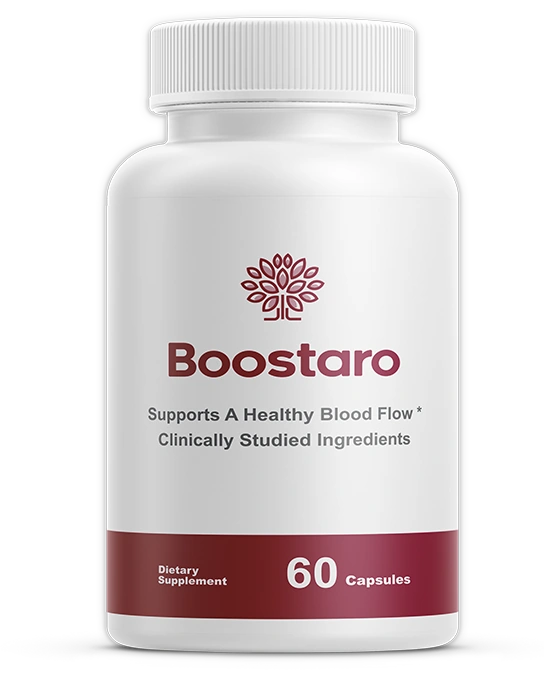
Check the terms yourself
Open the checkout, read the totals and the guarantee, and leave without buying if it does not fit. A doctor’s view on K2 comes first if you take any blood thinner.
See today’s price and guaranteeEarnings disclosure: this website earns when an order goes through its checkout. It is a USA Authorized Boostaro Retailer, not the manufacturer.
Sources for this article
- Knapen MH, Braam LA, Drummen NE, Bekers O, Hoeks AP, Vermeer C. Menaquinone-7 supplementation improves arterial stiffness in healthy postmenopausal women. A double-blind randomised clinical trial. Thromb Haemost. 2015;113(5):1135-44. https://pubmed.ncbi.nlm.nih.gov/25694037/
- National Institutes of Health, Office of Dietary Supplements. Vitamin K: Fact Sheet for Consumers. https://ods.od.nih.gov/factsheets/VitaminK-Consumer/
- Chen H, McGowan EM, Ren N, Lal S, Nassif N, Shad-Kaneez F, Qu X, Lin Y. Nattokinase: A Promising Alternative in Prevention and Treatment of Cardiovascular Diseases. Biomark Insights. 2018;13:1177271918785130. https://pubmed.ncbi.nlm.nih.gov/30013308/
- Robertson NU, Schoonees A, Brand A, Visser J. Pine bark (Pinus spp.) extract for treating chronic disorders. Cochrane Database Syst Rev. 2020;9(9):CD008294. https://pubmed.ncbi.nlm.nih.gov/32990945/
- U.S. Food and Drug Administration. Questions and Answers on Dietary Supplements. https://www.fda.gov/food/information-consumers-using-dietary-supplements/questions-and-answers-dietary-supplements