Boostaro Official Website › Blog › Nattokinase in Boostaro
Why Is Nattokinase in Boostaro, and Why Do Doctors Ask About It?
Nattokinase is an enzyme taken from natto, a fermented soybean dish. Boostaro names it but prints no amount and no activity figure. The trial usually quoted used a set dose for eight weeks. Doctors ask about it because it can add to blood thinners, and it is usually paused before surgery.
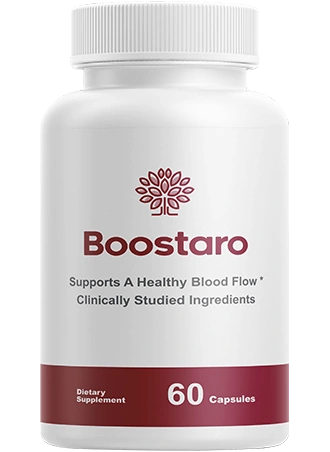
Want to see the terms before you decide?
The checkout shows the pack totals and the 60-day guarantee terms. You can read them without any obligation.
See today’s price and guaranteeEarnings disclosure: this website earns when an order goes through its checkout. It is a USA Authorized Boostaro Retailer, not the manufacturer.
- Nattokinase is an enzyme isolated from natto, a fermented soybean food.
- It is dosed in fibrinolytic units, not milligrams. Boostaro prints neither figure.
- The trial usually quoted gave 2,000 fibrinolytic units a day for eight weeks to 86 adults with raised blood pressure.
- It can add to the effect of anticoagulant and antiplatelet medicines.
- It is usually stopped before surgery, so tell the team you take it.
- It is derived from fermented soy, so a soy allergy is a reason to ask a clinician first.
What is nattokinase, and where does it come from?
Natto is a Japanese dish made from soybeans that have been fermented with a bacterium. Nattokinase is an enzyme that scientists isolated from that dish. It is not the food itself. It is one protein pulled out of it and, in a supplement, packed into a capsule.
On the Boostaro panel it is the seventh and last named ingredient. The sales page this website works from lists it by name only. There is no weight and no strength printed beside it.
That one missing detail matters more for an enzyme than for a vitamin. A vitamin is weighed. An enzyme is measured by what it does, and that measure has its own unit. We come back to that in the next section.
Why are enzymes measured in units instead of milligrams?
A milligram tells you how heavy something is. It does not tell you how active it is. Two enzyme powders of the same weight can differ a lot in strength, based on how they were made and how long they sat on a shelf.
For nattokinase, the unit that matters is the fibrinolytic unit. Fibrinolytic means able to break down fibrin, which is a protein that helps hold a clot together. A label that gives the activity in those units tells you what you are really getting.
The Boostaro papers give neither number. There is no milligram figure and no fibrinolytic unit figure. Because of that, nobody can say if one capsule holds a small, medium or large dose of the enzyme. We would rather print that gap than guess.
If a bottle ever arrives with a figure in fibrinolytic units, send a photo to the website desk. This page will be corrected and the review date will move forward.
What did the main nattokinase trial find?
The trial most often quoted is by Kim and colleagues, published in 2008. It was a randomised, controlled trial. A review by Chen and colleagues in 2018 later gathered the background science on how the enzyme might act.
| Point of comparison | The nattokinase trial | This Boostaro bottle |
|---|---|---|
| Daily amount | 2,000 fibrinolytic units | Not published |
| Who took it | 86 adults with raised blood pressure | Adult men, 18 and over |
| How long | Eight weeks | A 60-day money-back window |
| What was measured | Blood pressure | Not measured in the finished product |
| Reported change | A fall of about 5.5 mmHg in systolic pressure | No trial of the finished product exists |
Read the table from left to right. The trial answers a question about blood pressure in people who already had raised readings. Boostaro is sold for adult men with a blood flow line on the bottle. The people, the goal and the dose are all different.
That does not make the result worthless. It means the number should stay with the trial. It cannot be moved onto a capsule whose strength is unknown.
Which medicines make nattokinase a question for the prescriber?
Nattokinase has fibrinolytic activity. Because of that, it can add to the effect of medicines that thin the blood or stop platelets from clumping. The safety page on this website names the main ones.
| If you take | Why it matters | What to do |
|---|---|---|
| Warfarin or a similar drug | Nattokinase and vitamin K2 both come into play | Speak to the clinician who manages your blood tests |
| Apixaban, rivaroxaban or clopidogrel | Adds to the thinning effect | Ask the prescriber before starting |
| Daily aspirin therapy | Adds to the antiplatelet effect | Ask the prescriber |
| Any other anticoagulant or antiplatelet | Same group of concerns | Do not combine without medical supervision |
Do not guess. A pharmacist can check your whole list in a few minutes, and many will do it for free. Take the bottle with you, or a clear photo of the label.
Does nattokinase matter if you have a soy allergy?
Yes, it can. The safety page notes that nattokinase is derived from fermented soy. A person with a known soy allergy should ask a clinician before taking any product that names it.
An allergic reaction to a supplement is rare, but it is a reason to stop at once and seek medical help. Signs include a rash, swelling of the lips or face, or trouble breathing. Do not wait for the refund window to decide. Your health comes first, and the order desk will deal with the return afterwards.
Even if you have never had a soy problem, read the full label when the bottle arrives. The label on the bottle is the final word on what is inside.
Should you stop nattokinase before surgery?
The usual advice is yes, and the site’s own safety table says so in plain words: it is usually stopped before surgery. How far ahead is a question for the surgical team, and the material we hold does not give a number of days. So we do not print one.
Tell the team about Boostaro at the first planning visit, not on the morning of the operation. Say that it contains nattokinase and vitamin K2, and mention the pine bark too. Dental work counts as well, since some procedures involve bleeding.
A separate article on this website walks through the questions to ask before a procedure. For now, remember the simple rule. If anything is booked, ask first.
How should you judge a capsule that hides its enzyme strength?
You judge it by what you can check. You can check the lot code on the base of the bottle. You can check the seal under the cap. You can check the 60-day window and the phone desk. You cannot check the activity of the enzyme.
That leaves a personal test. Take it as the label directs, write a short weekly note, and compare week six with week one. The distributor’s summary puts reported change at three to six weeks, and buyers who wrote at day 30 or later give a calmer picture than the one who wrote at day 17.
If you notice easy bruising, bleeding that is hard to stop, or any other sign that worries you, stop and call a clinician. Nothing here is a treatment for any disease, and a supplement is never a replacement for your medicine.
Frequently asked questions
What is nattokinase?
An enzyme isolated from natto, a fermented soybean dish. It is studied for fibrinolytic activity, which means breaking down fibrin.
How much nattokinase is in Boostaro?
Not published. The sales page gives no milligram figure and no fibrinolytic unit figure for the enzyme.
Does nattokinase thin the blood?
It has fibrinolytic activity and can add to anticoagulant and antiplatelet medicines. That is why a prescriber should know if you take it.
Can I take Boostaro with aspirin?
Ask your prescriber first. Daily aspirin therapy is listed among the medicines that nattokinase can add to.
Is nattokinase safe with a soy allergy?
It is derived from fermented soy, so ask a clinician before taking any product that contains it. Stop at once if you notice signs of an allergic reaction.
Should I stop Boostaro before surgery?
Nattokinase is usually stopped before surgery. Tell the surgical team early and ask how far ahead to stop.
Plain facts. Boostaro is a dietary supplement. It is not FDA approved, and no dietary supplement is. These statements have not been evaluated by the Food and Drug Administration, and this product is not intended to diagnose, treat, cure or prevent any disease. Nothing on this page is medical advice. Talk to a doctor before use if you take medicine or have a health condition.
Our view
Nattokinase is the ingredient on this panel that is most likely to matter to a prescriber. That is not a mark against the product. It is simply a fact about what the enzyme does, and a fair page puts it near the top.
The missing figures make it harder. With no strength printed, a buyer cannot compare the capsule with the trial, and a doctor cannot judge how much to worry. Until a figure is published, treat it as a medicine-level question and ask before you start.
If you take no relevant drug and have no procedure planned, the 60-day window still gives you time to try it and judge for yourself.
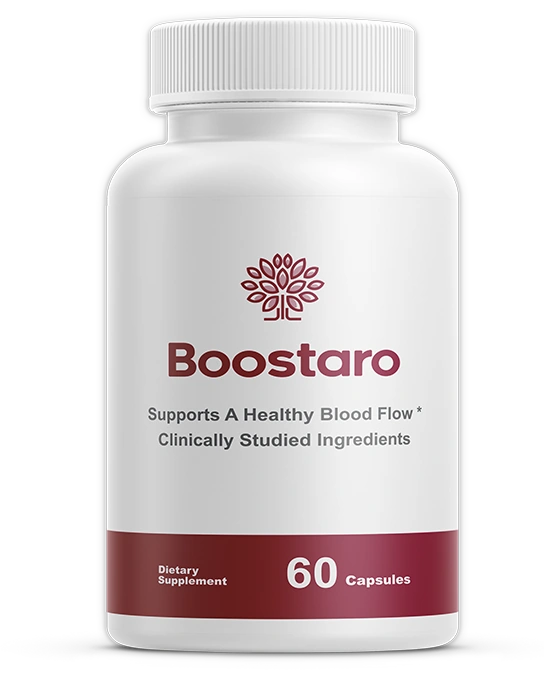
Take a calm look at the offer
Open the checkout, read the totals and the guarantee, and decide in your own time. Ask your prescriber first if you take any blood thinner.
See today’s price and guaranteeEarnings disclosure: this website earns when an order goes through its checkout. It is a USA Authorized Boostaro Retailer, not the manufacturer.
Sources for this article
- Kim JY, Gum SN, Paik JK, Lim HH, Kim KC, Ogasawara K, Inoue K, Park S, Jang Y, Lee JH. Effects of nattokinase on blood pressure: a randomized, controlled trial. Hypertens Res. 2008;31(8):1583-8. https://pubmed.ncbi.nlm.nih.gov/18971533/
- Chen H, McGowan EM, Ren N, Lal S, Nassif N, Shad-Kaneez F, Qu X, Lin Y. Nattokinase: A Promising Alternative in Prevention and Treatment of Cardiovascular Diseases. Biomark Insights. 2018;13:1177271918785130. https://pubmed.ncbi.nlm.nih.gov/30013308/
- Robertson NU, Schoonees A, Brand A, Visser J. Pine bark (Pinus spp.) extract for treating chronic disorders. Cochrane Database Syst Rev. 2020;9(9):CD008294. https://pubmed.ncbi.nlm.nih.gov/32990945/
- U.S. Food and Drug Administration. Questions and Answers on Dietary Supplements. https://www.fda.gov/food/information-consumers-using-dietary-supplements/questions-and-answers-dietary-supplements
- National Institutes of Health, Office of Dietary Supplements. Dietary Supplements: What You Need to Know. https://ods.od.nih.gov/factsheets/WYNTK-Consumer/